

ATTRACTIONS IN KEFALONIA

Attractions in Kefalonia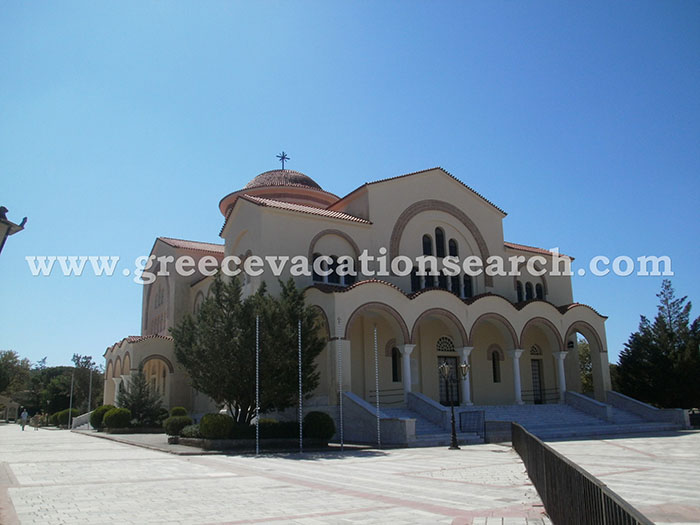 Kefalonia - Agios Gerasimos Monastery 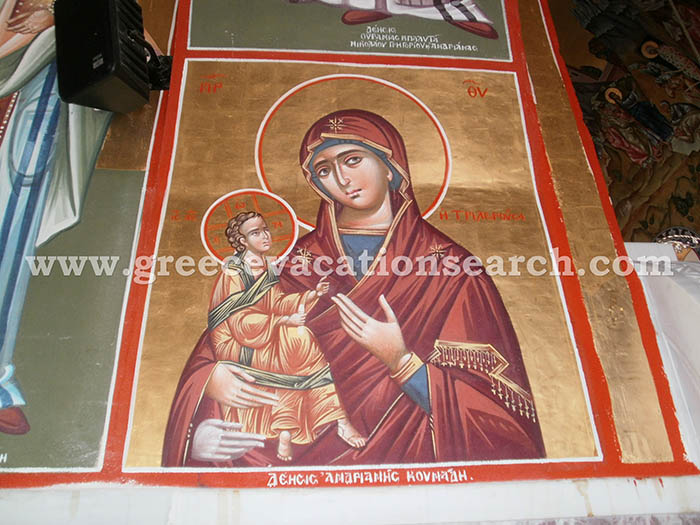 Kefalonia - Agios Gerasimos Monastery 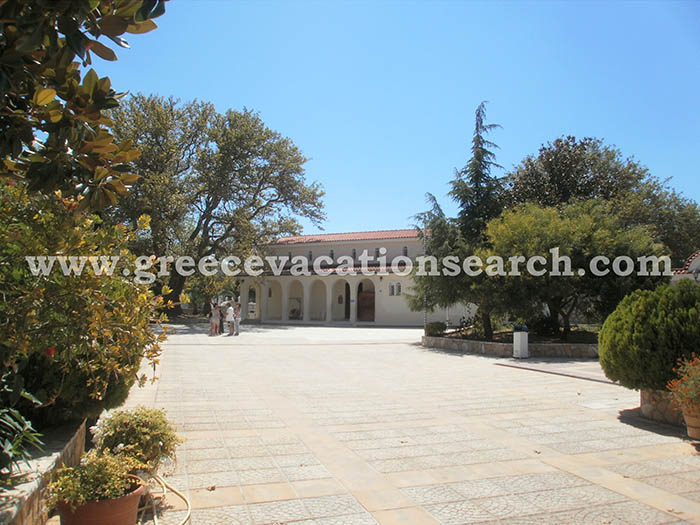 Kefalonia - Agios Gerasimos Monastery 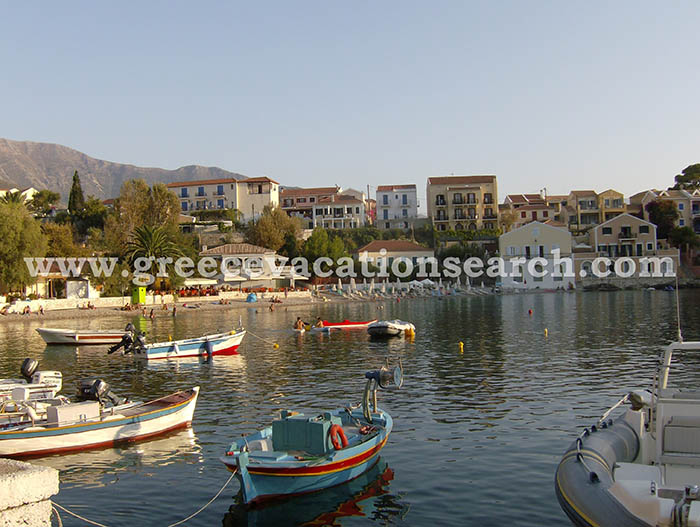 Kefalonia - Assos 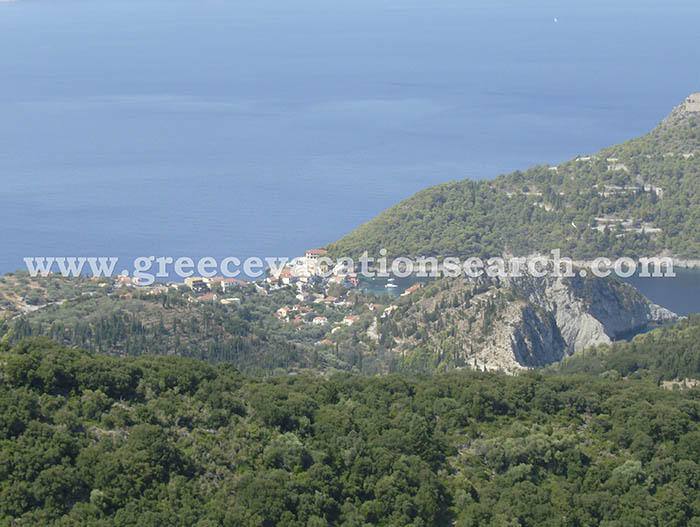 Kefalonia - Assos 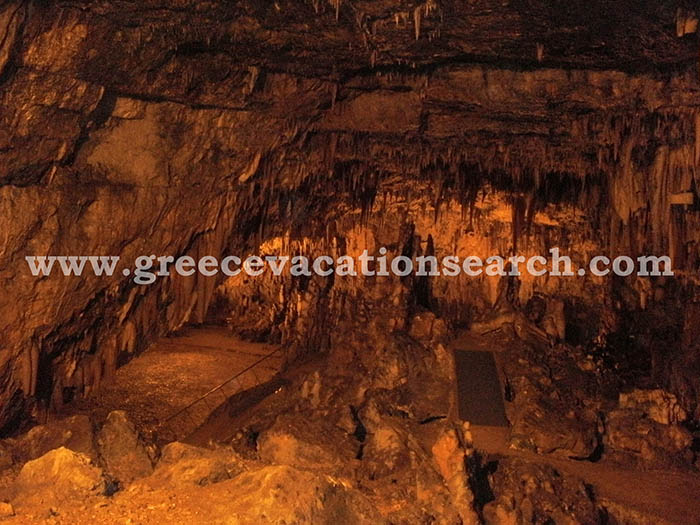 Kefalonia - Drogarati Cave 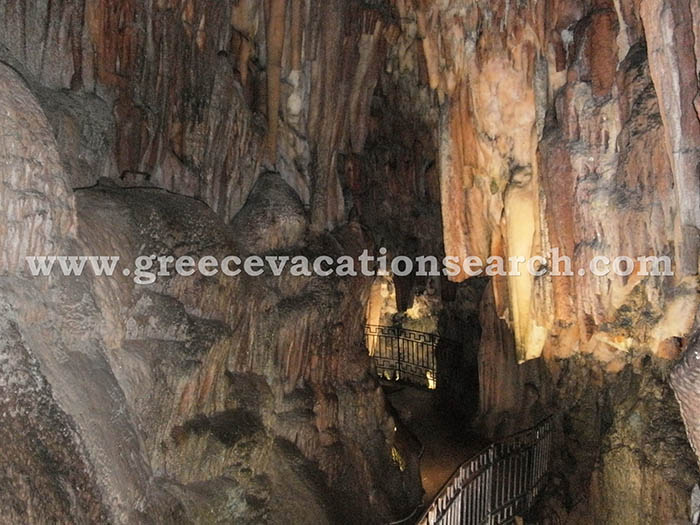 Kefalonia - Drogarati Cave 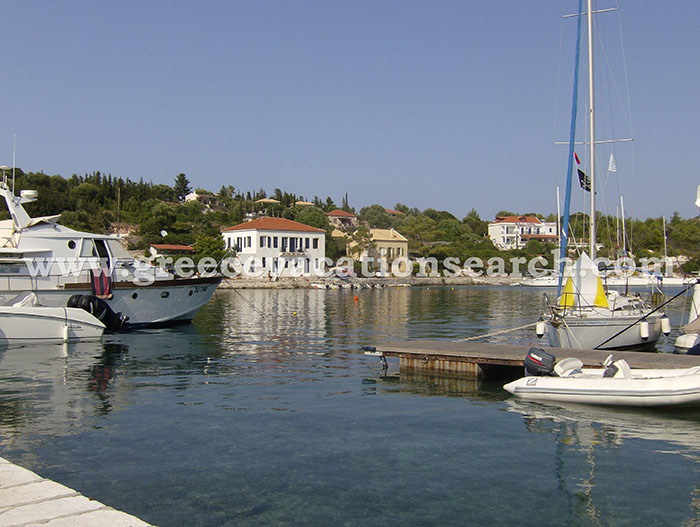 Kefalonia - Fiskardo 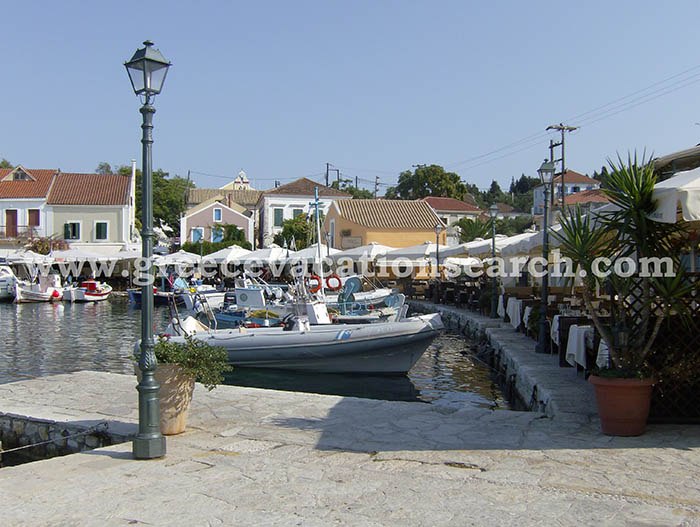 Kefalonia - Fiskardo 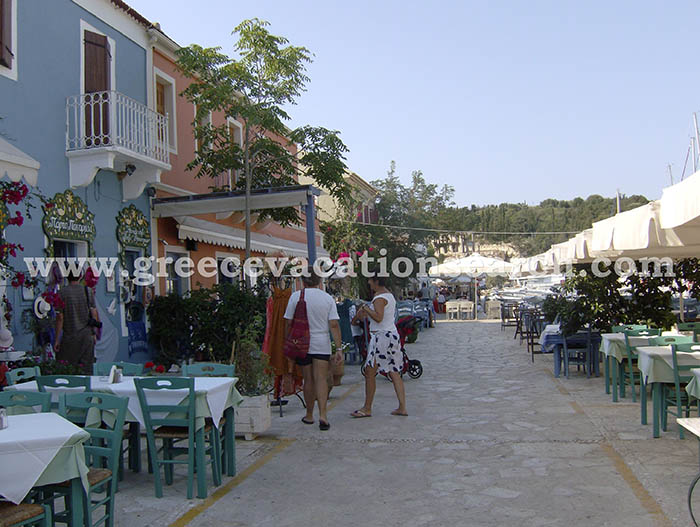 Kefalonia - Fiskardo 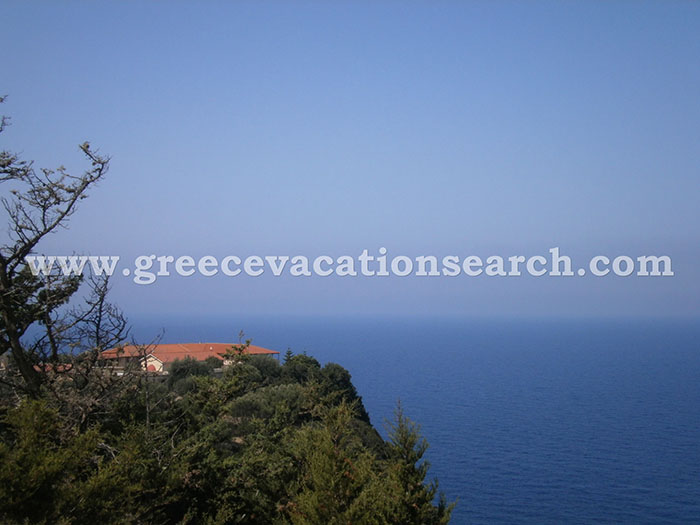 Kefalonia - Kipouraion Monastery 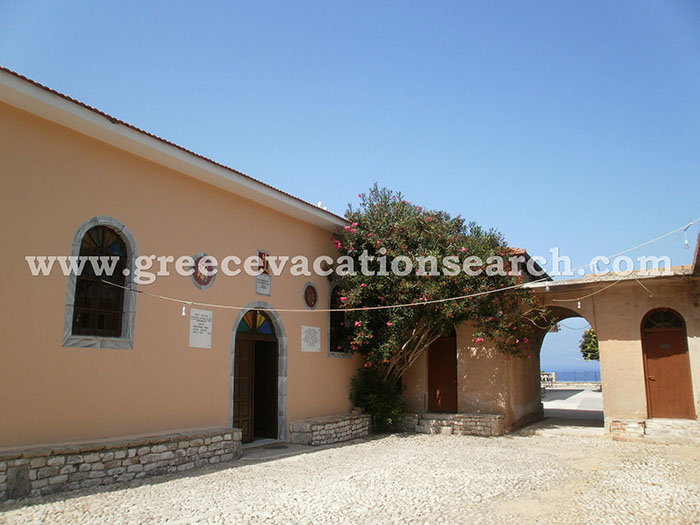 Kefalonia - Kipouraion Monastery 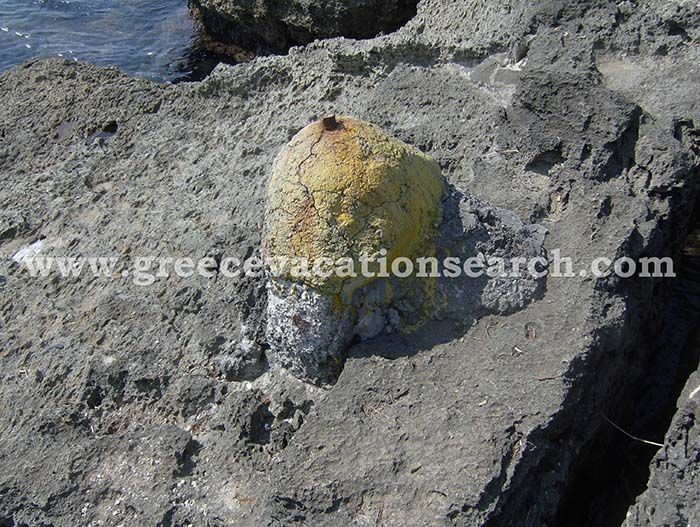 Kefalonia - Kounopetra 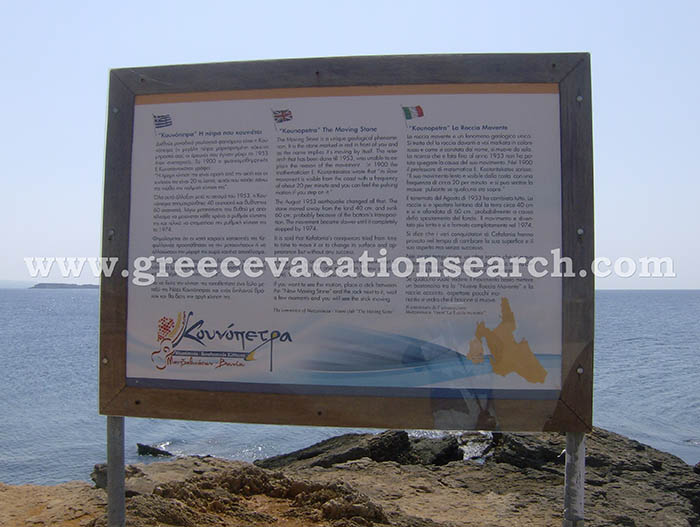 Kefalonia - Kounopetra 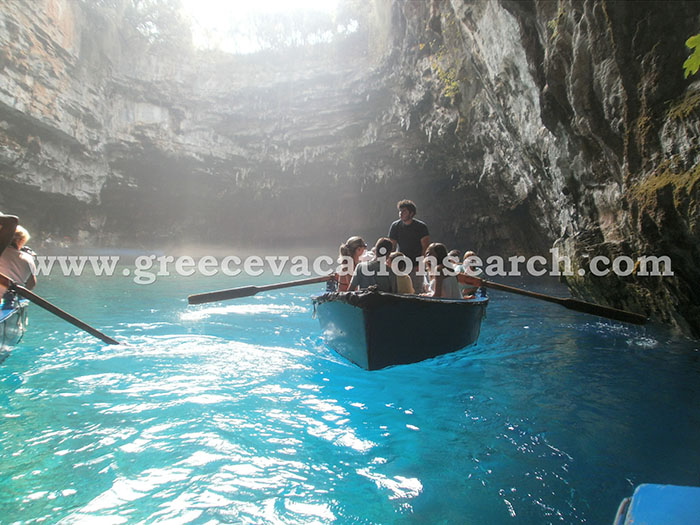 Kefalonia - Melissani Cave 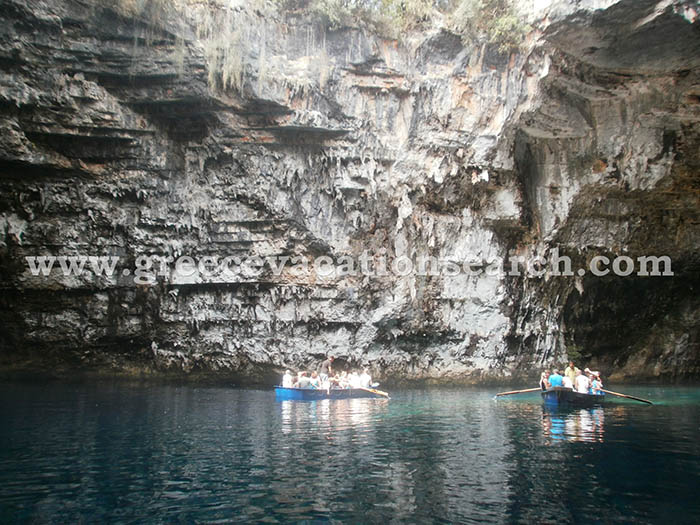 Kefalonia - Melissani Cave 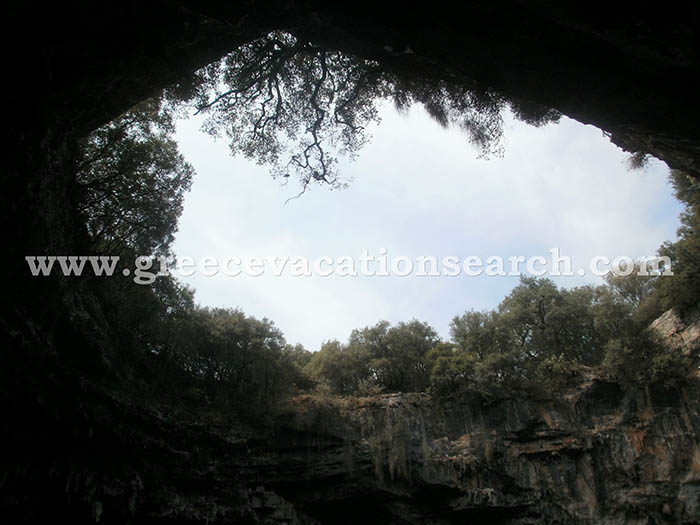 Kefalonia - Melissani Cave Attractions On KefaloniaFiskardoThe scenic Fiskardo is the place to be at all you nights on Kefalonia. It is a colorful village with lots of shops and taverns, plenty of parking around the village and an active harbor with many boats. Fiskardo and Assos are the only settlements that were not annihilated by the devastating earthquakes of 1953 and while the rest of Kefalonia was rebuilt, Fiskardo retained its traditional style. Although the village is not large, you will not get enough of taking walks in its little alleys. AssosAssos is like a miniature Fiskardo, with some people considering it to be more scenic and traditional than Fiskardo. Assos is a village of fishermen and it is much less touristic evolved than Fiskardo. There is a small beach with pebble in the settlement, while there are other similar hidden beaches around, but they are only accessible by sea. The main problem with Assos is that it does not have easy access, being away from the central road and down hill with many sudden turns. However, it is worth visiting Assos at least once. At the end of August in Assos there is an event held, called Varkarola, every year on the day of Agios Kosms Etolos, a magical night where dozens of boats with torches accompany a small ship bathed in candle light carrying people playing music and singing (cantada). During this event there is a lot of music, fireworks and celebrations. Agios Gerasimos MonasteryThis monastery is in a small valley, relatively close to Argostoli. The church of Agios Gerasimos, protector of Kefalonia, is the third largest temple in Greece while the decorative painting of its interior are still under progress, as they are not yet finished. Behind the church there is a smaller one, where the remains of the Saint are kept. Right after entering you will notice a hole on your left with a ladder leading to the underground cave where Agios Gerasimos stayed to meditate. If you climb down you will find yourselves in the first room which lead to the other through a small hole at the floor level. It is there where the icon of the Saint is kept, but you will have to crawl on the floor to get through. A few people are allowed down there at once, due to the limited supply of oxygen, something that you will feel yourselves if you come here. Kefalonia Archaeological MuseumFindings that have been excavated from all over Kefalonia are exhibited here and they range from the paleolithic era to the Roman era. It is found in Argostoli. Telephone 26710 28300. Folklore MuseumsThere are three Folklore Museums on Kefalonia, one in Argostoli, one in Agios Dimitrios at the river (a bit north of Lixouri) and one at Kaminarata (on Paliki). There you can see traditional textiles, farm tools, containers and much more that will bring you in touch to the life of people of Kefalonia of the past centuries. Ecclesiastical Byzantine MuseumThis museum is located in Peratata village, a few kilometers south of Argostoli on your way to Skala. Inside you will see many icons and wood-curved relics from churches of Kefalonia that were deserted after the earthquakes of 1953, along with relics from the monastery of Agios Andreas. Telephone 26710 69700. Melissani CaveMelissani Cave is the most famous cave of Kefalonia and one of the most impressive water caves of Greece. It is actually a water cave found very close to Sami and it is worth visiting during the noon when the rays of the sun fall vertically into the cave. With 7 Euro you can board the boat and the boatman will take you around the cave, giving you a tour at the same time. Th boat trip last for about 10 minutes, as the cave is rather small. Drogarati CaveAfter visiting the Cave of Melissani it is a pity not to go a bit further on to see the Drogarati Cave, as it is not far. After going down a lot of stairs you will reach the entrance of the cave where you will be impressed by its size and its orange coloring. Mind your heads as you walk around because of the stalactites. The cave has excellent acoustics and this is why many concerts are held here from time to time. The entry ticket is 5 Euro per person. KounopetraAt the southwest edge of Kefalonia, with a view to the Xi beach, lies the famous Kounopetra. This huge rock was moving in a rhythmical way with no stop until the earthquakes of 1953, when its base was stabilized. Some support that there is still a little movement, while others claim that now another rock is moving, named New Kounopetra, which you can spot by the yellow paint mark. It is not the most interesting sight, but you can make a stop here on your way to the near by beaches, Vatsa and Vrahinari. KatavothresKatavothres are located at the entrance of Argostoli and they were a mystery because the sea water that came at shore would disappear into them. The mystery was solved in 1963 when a team of researchers throw in the water a special coloring substance to track its route. It was proved that the water travels underneath the island and reaches, after a few days, the other side of Kefalonia, at the east, passing even from the Melissani Cave. Kipouraion MonasteryKipouraion Monastery is on Paliki and it lies on a rock hangning 100 meters above the sea. It was built in the 17th century and it hosts significant icons and relics. Kefalonia attractionsKefalonia attractionsKefalonia attractions |

 Kefalonia News Kefalonia News
Welcome to the Kefalonia page of Greece Vacation Search! Here you will find all the information you will need for your summer vacations on Kefalonia.
  Kefalonia Newsletter
Subscribe to our newsletter in order to receive news, offers and updates regarding the Kefalonia and all the other Greek islands.
Greek Islands
Kefalonia
Kefalonia
Kefalonia
Kefalonia beaches
Kefalonia information
Kefalonia attractions
|
| 29 September 2026 |
|
© Greece Vacation Search 2015 |